
Mame-Loshn:
From the shtetl to greenwich village
One part klezmer, one part vaudeville, one hundred percent mishpokhe.
My first shul was called Sof Ma'arav — The End of the West, and we had a Hawaiian-print Torah cover. I grew up in the land of hula and banyan trees, and yet the first song I ever learned started with Shteyt a bocher, shteyt un tracht. My grandfather spoke with that familiar New York Yiddishkeit accent — just a little tinged, in a way I couldn't explain but instantly recognized whenever I met another bubbe or zayde. I hardly knew any other Jews but my mom played me Fiddler on the Roof and told me that it was "basically our family story."
One of my mother's favorite performers was Bette Midler, and my instinct for Jewish humor was nurtured by Beaches, whose soundtrack lived on repeat for at least a year. My favorite song was, oddly, about a fictional German inventor named Otto, and was probably very inappropriate for me to be singing at not-quite-nine years old. If you know, you know. Much to my delight, every few years I would have a teacher who had actually taught The Divine Miss M, and the constant comparisons were more than welcome.
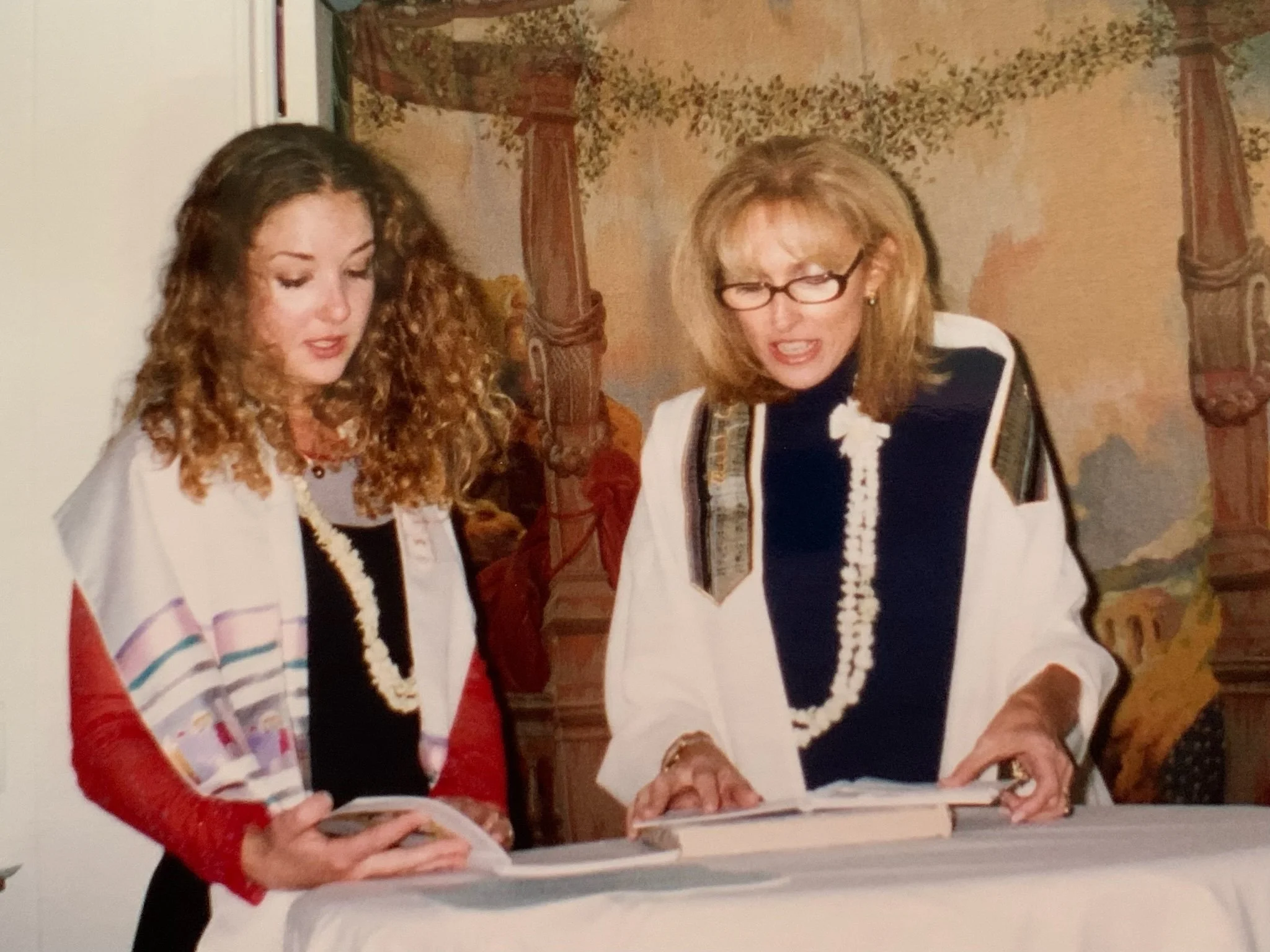
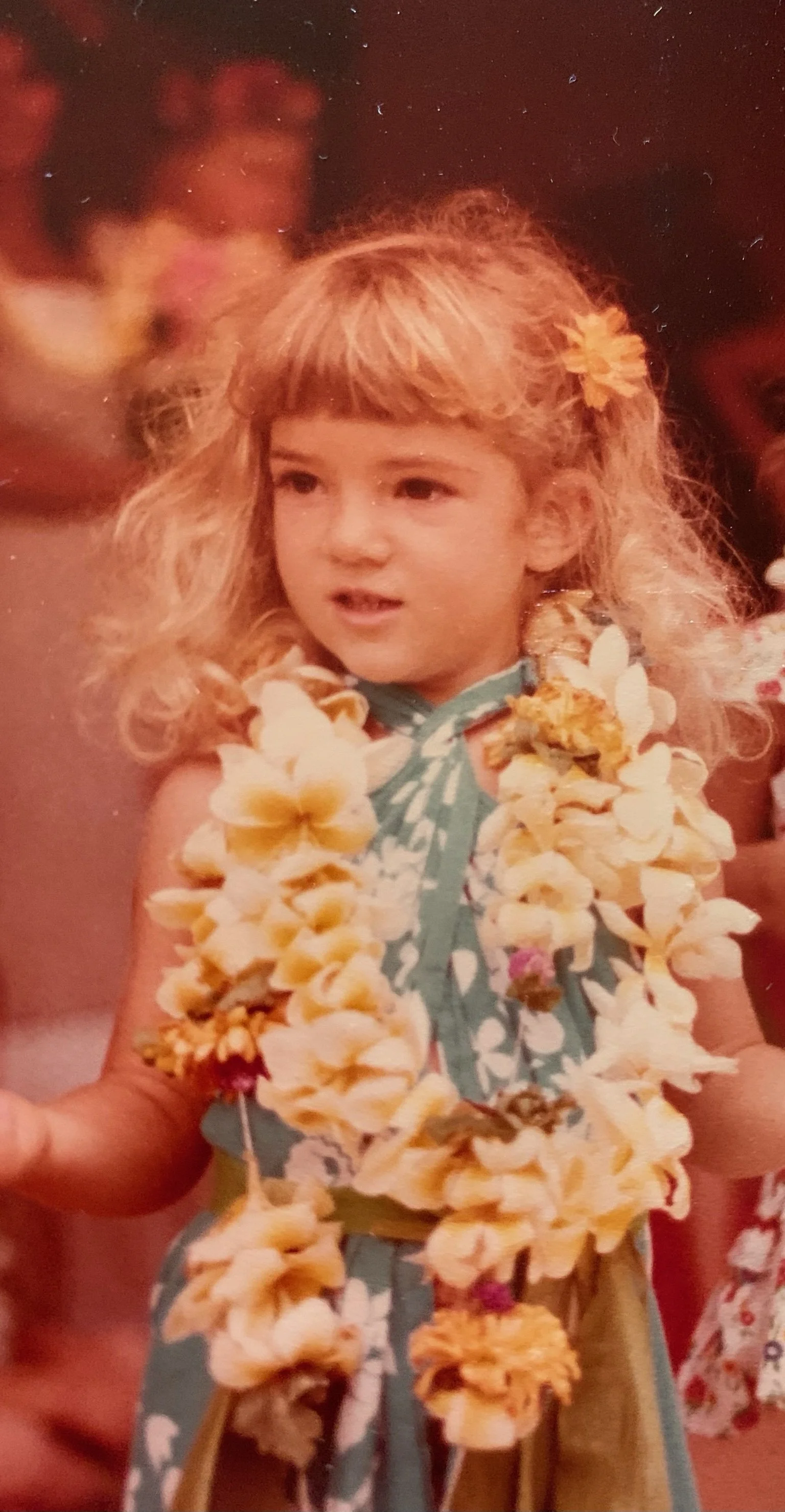
Yiddish music was part of my cellular construction before I was even a speck in my mother's eye. In the old world — Kuty, a town still unclaimed by any flag when my grandfather was carried out of it as an infant — my family were klezmers, chazzanim, and rabbis. In the new world they were storytellers and creators — so no change really! My mother learned Yiddish songs at her father's knee. She grew up singing in the legendary Greenwich Village nightclub El Avram, partly owned by my grandfather, Al Sander.
In the old world they were klezmers, chazzanim, and rabbis. In the new world they were storytellers and creators — so no change really!
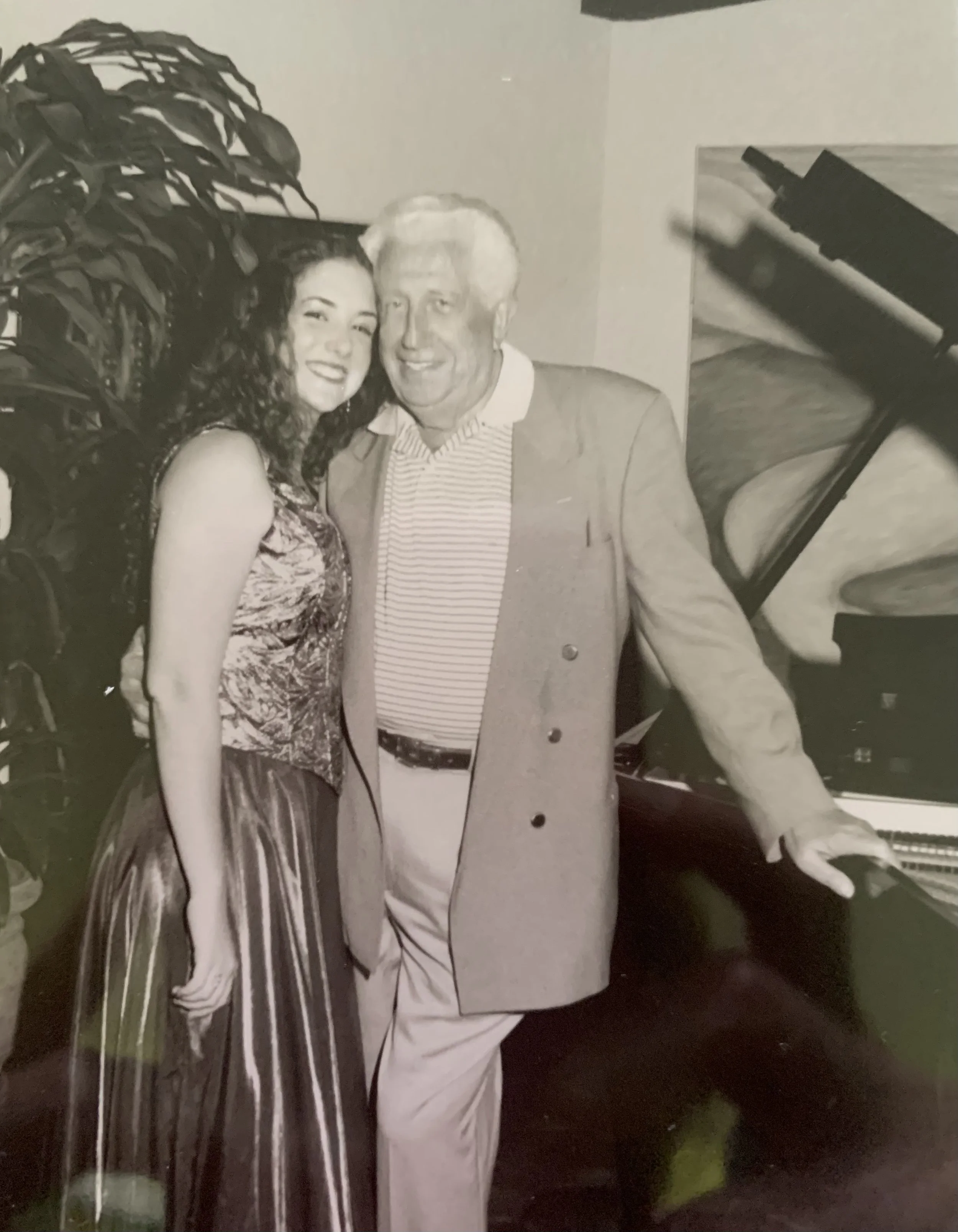
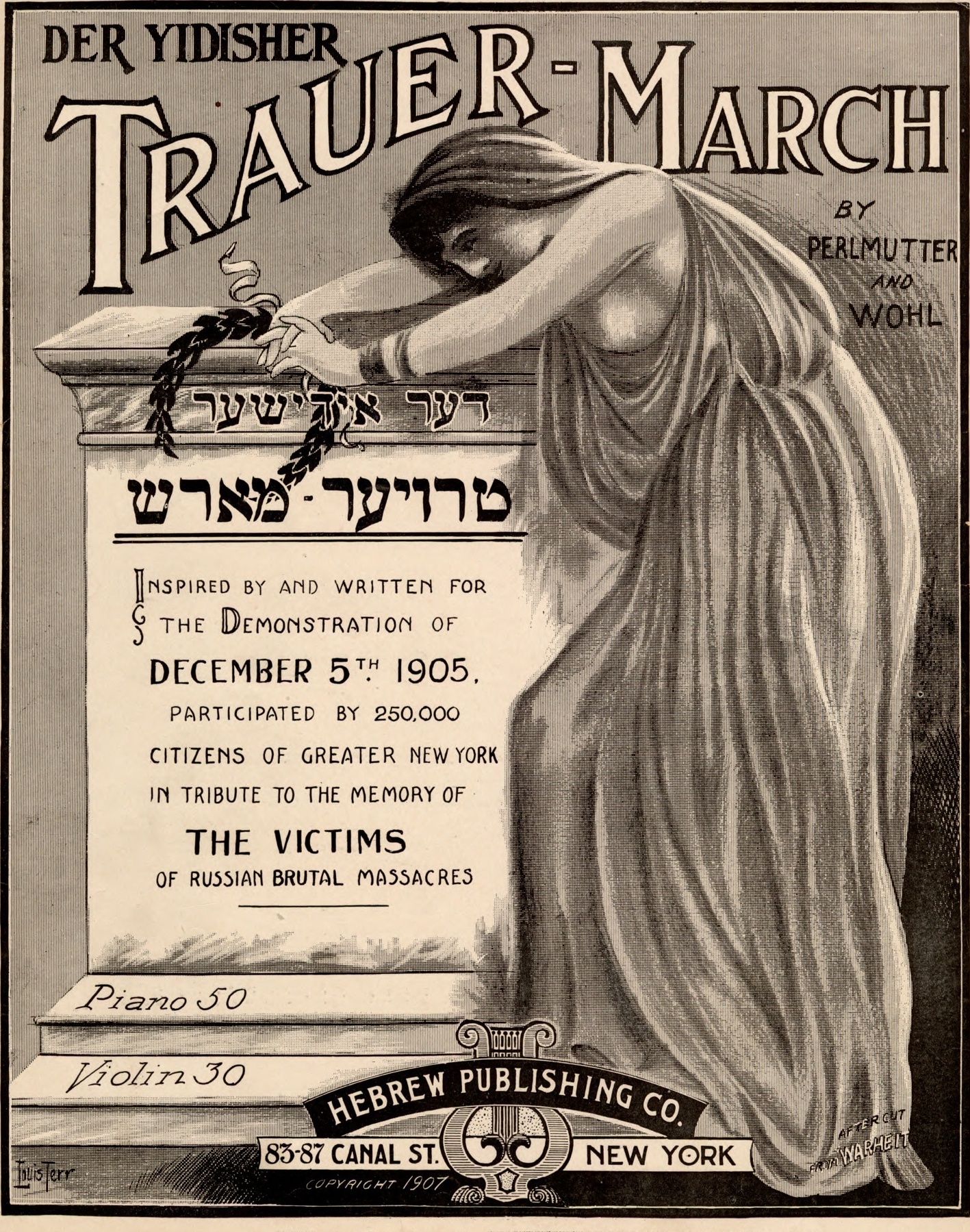
Now it's my turn — to pass on the memories of all our bubbes and zaydes and the world they left behind, yet somehow carried with them into new lives in America, Israel, Argentina...
...wherever they'd let a Jew off the boat that week.
The concert draws from across the Yiddish stage — the wit of operetta, the ache of art song, the stomp and swirl of klezmer, the folk tune everyone knows.
This music lives in my bones.
It is my cultural inheritance, the Ashkenazi tradition passed down to me by people whose lives spanned continents and contexts, the culture of Yiddishkeit — not just language but laughter and passion and a whole lot of showmanship.
Ensemble: Performed with voice and piano, small ensemble, or full klezmer band.
A piano or small ensemble pulls the program toward its theatrical, intimate side; hand it a full klezmer band and it opens into something louder and more communal, music built for dancing, not just listening.
Extend the experience — pair this concert with a workshop or a wordless niggun circle.
Far From the Home I Love: A Yiddish Song Workshop
Explore Yiddish music in all its facets: sacred & secular, tragic & absurd. Delve into history, interpretation, and storytelling, learning songs they brought and songs they made on American shores.
How the Jews Built American Musical Culture
Jewish composers brought European training & Jewish depth into conversation with the rhythm & pathos of African-American music. Trace the creation of America's sound.
Interpretation & Storytelling in Jewish Song
Let's demystify the art of interpretation. Explore how text, meaning, and musical choices shape expressive performance.
Niggun: A Wordless Prayer Circle
A communal, drop-in prayer circle, immersing participants in niggunim, wordless Hasidic melodies used for prayer and meditation.
These are just a few — see the complete workshop offerings.
Mame-Loshn makes an excellent centerpiece for Ashkenaz: From the Old World to the New, a curated package with flexible programming options including concerts, workshops, residencies and customized events.
Ashkenaz: From the Old World to the New
A curated, flexible programming package.
Recommended Centerpiece
Mame-Loshn: From the Shtetl to Greenwich Village CONCERT