
Songs of joy and sorrow:
Women’s music of the sephardi diaspora
Five centuries of longing, joy, and memory, poured into a single night of song.
A voice calls out from the past, carried on the wind. The sound of distant drumming climbs in intensity, joining the plaintive cry until the longing gives way to joyful song. A tradition rooted in centuries of women's song, passed on from mother to daughter, originating in the Jewish quarters in Cordoba and Granada. They sang of love and loss, of leaving and holding, of hope and betrayal — the stories of their lives, sung while they kneaded dough for jalá, while they washed and sewed and carried children.
Krishna Alexandra has carried this music for more than twenty-five years,speaking the language, singing it the way it was built to be sung — ornamented, improvised, alive in the room.
The program moves across the full range of the tradition: unaccompanied, unmetered songs sung in the old Eastern Mediterranean style, ornamented with maqam-based improvisations that change a little every time they're sung — alongside uptempo, rhythmically driven numbers. It is a program of contrasts: intimacy and intensity, stillness and celebration, the sound of one voice whispering in the night gives way to the joyful, chaotic exuberance of sound, like the sun peeking over the horizon.
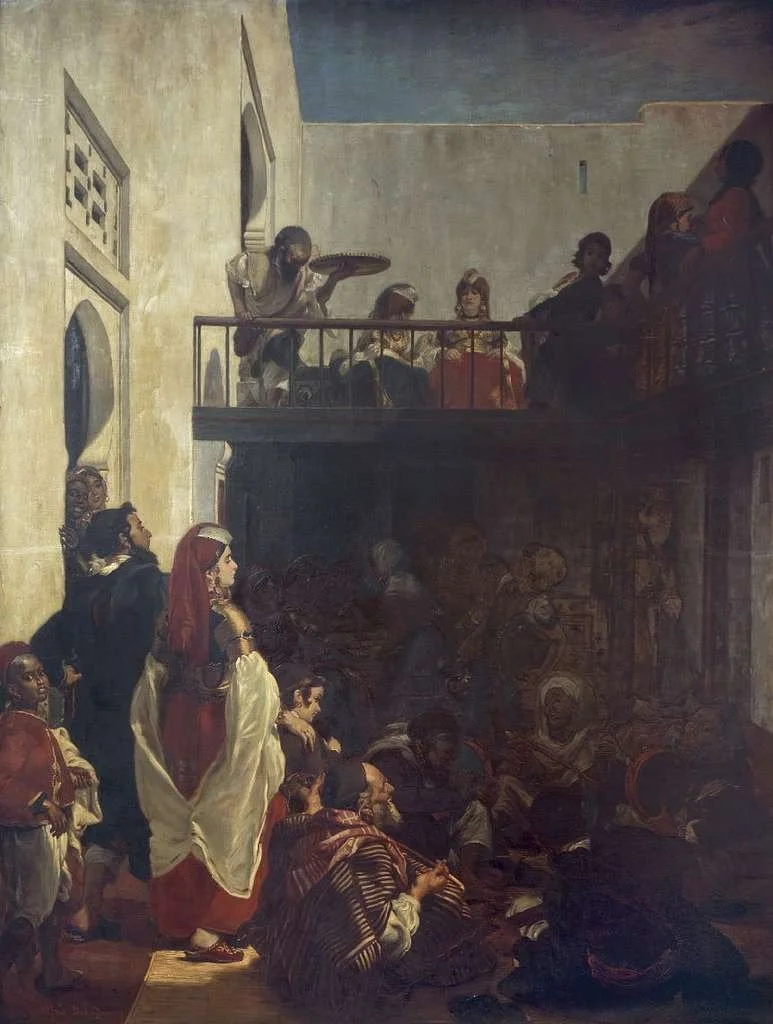

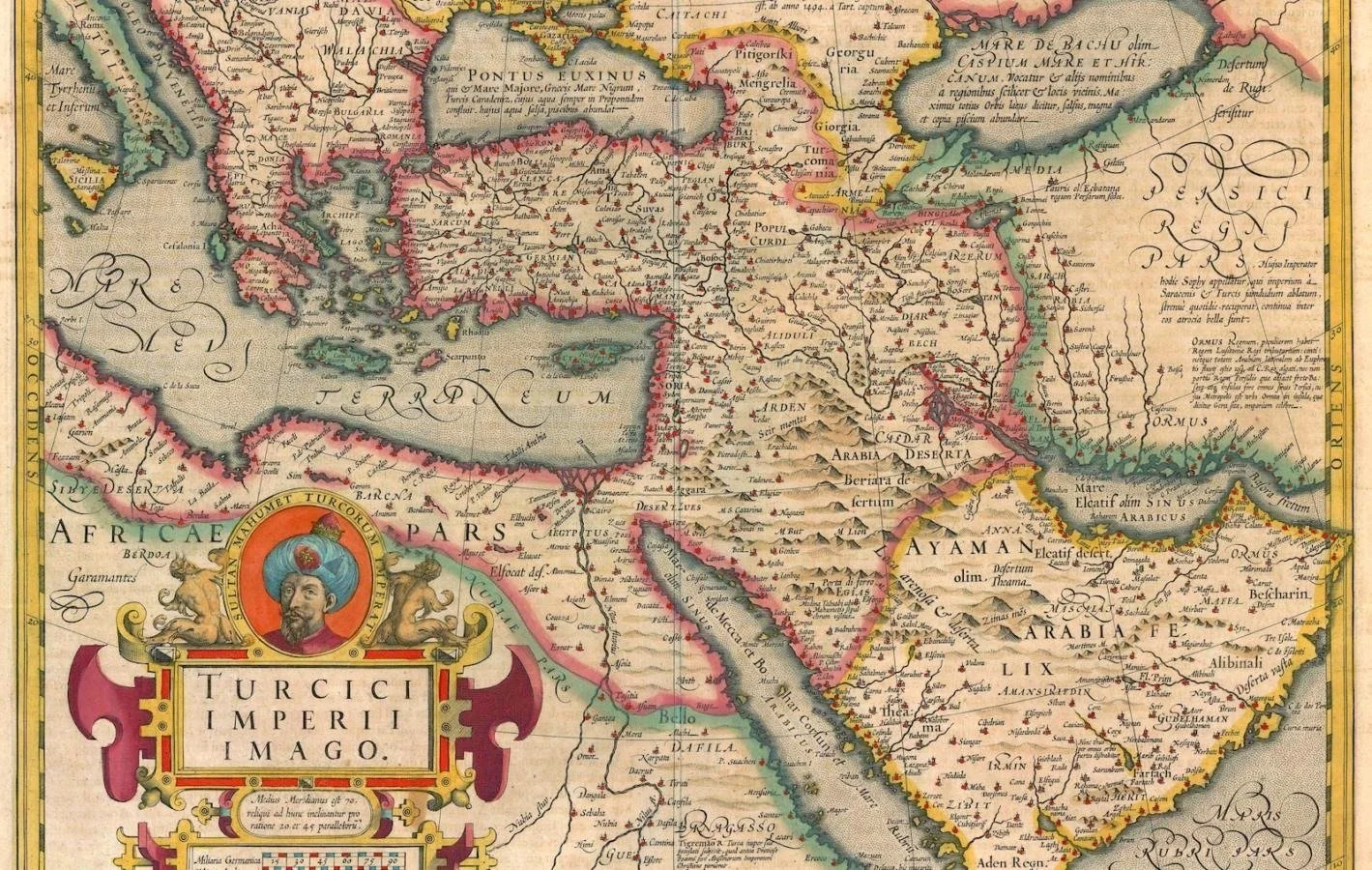
This is the music that they carried from the Jewish quarters of Seville and Toledo to the streets of Salonika and Izmir, Tangier and Algiers, to the cafes and markets of Buenos Aires, Havana, and New York City. No matter the distance, it always called back to home, to memory, to history — even as it changed, grew, and adapted. The songs kept the Judeo-Spanish they were born with, kept the Hebrew that named what was holy, and picked up Greek, Turkish, Arabic — kept moving, kept listening, never stopped becoming something slightly new in every mouth that held them.
Ensemble: Performed with voice and guitar or piano, voice with oud and percussion, or full ensemble.